
Commercial Roof Coatings
A commercial roof does not always need to be torn off to perform again. When the existing roof is a candidate for restoration, a fluid-applied coating can add a seamless, reflective surface that helps keep water out, lowers roof temperatures, and can ready the deck for rooftop solar — without a full replacement.
dGEN Energy Partners is a commercial and industrial roofing contractor ranked in the Top 3% of roofing contractors in North America. Coatings are part of that work: we assess the roof honestly, install the system that fits the substrate and climate, and, when solar is in the plan, engineer the coating and the array as one project.
Our roofing track record includes more than 10 million squares of roofs installed. Across the firm, that work sits alongside more than 750 MW of solar installed, 200+ successful interconnections, 20+ MW of linear generators, and 20+ microgrids.
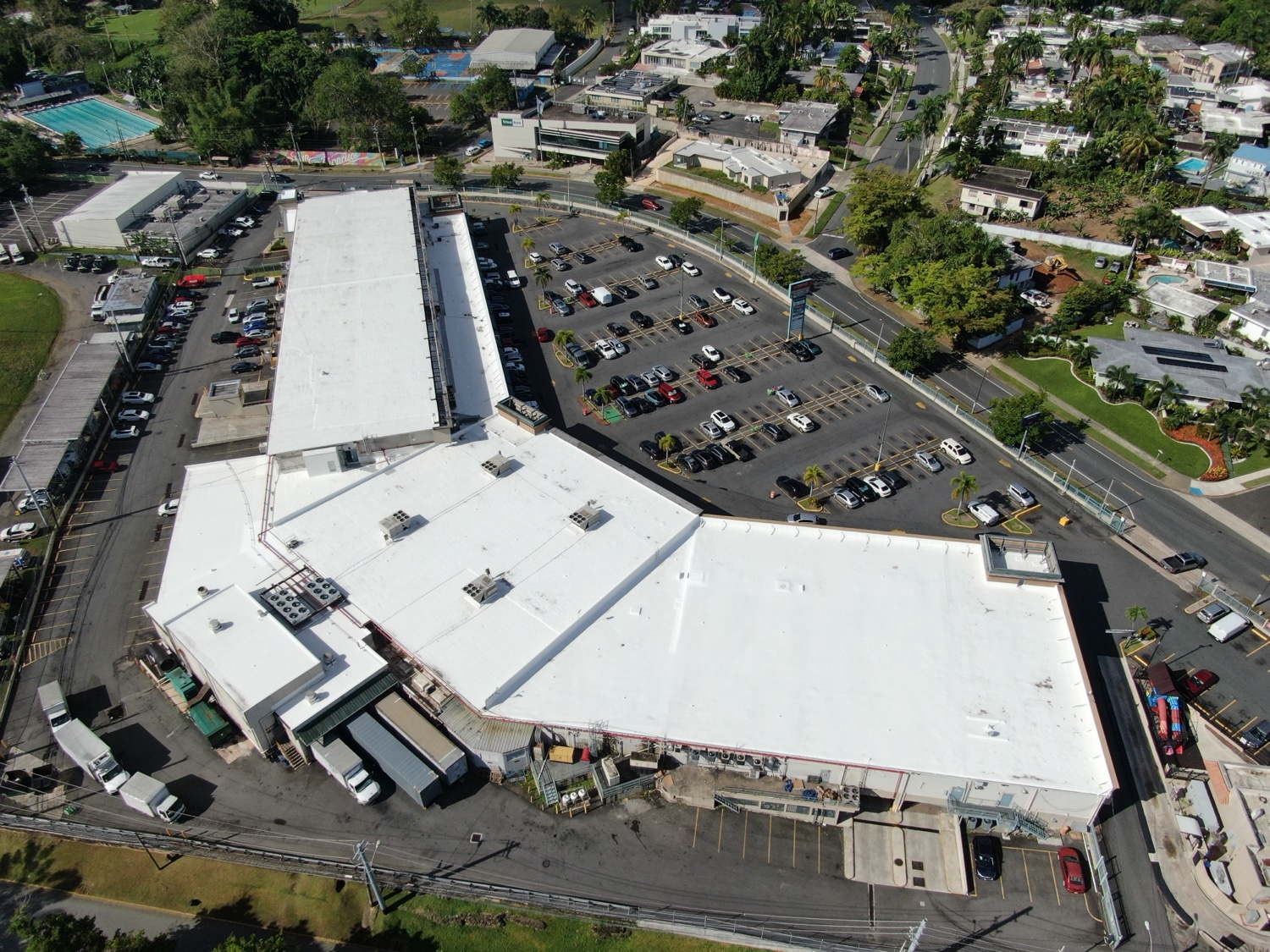
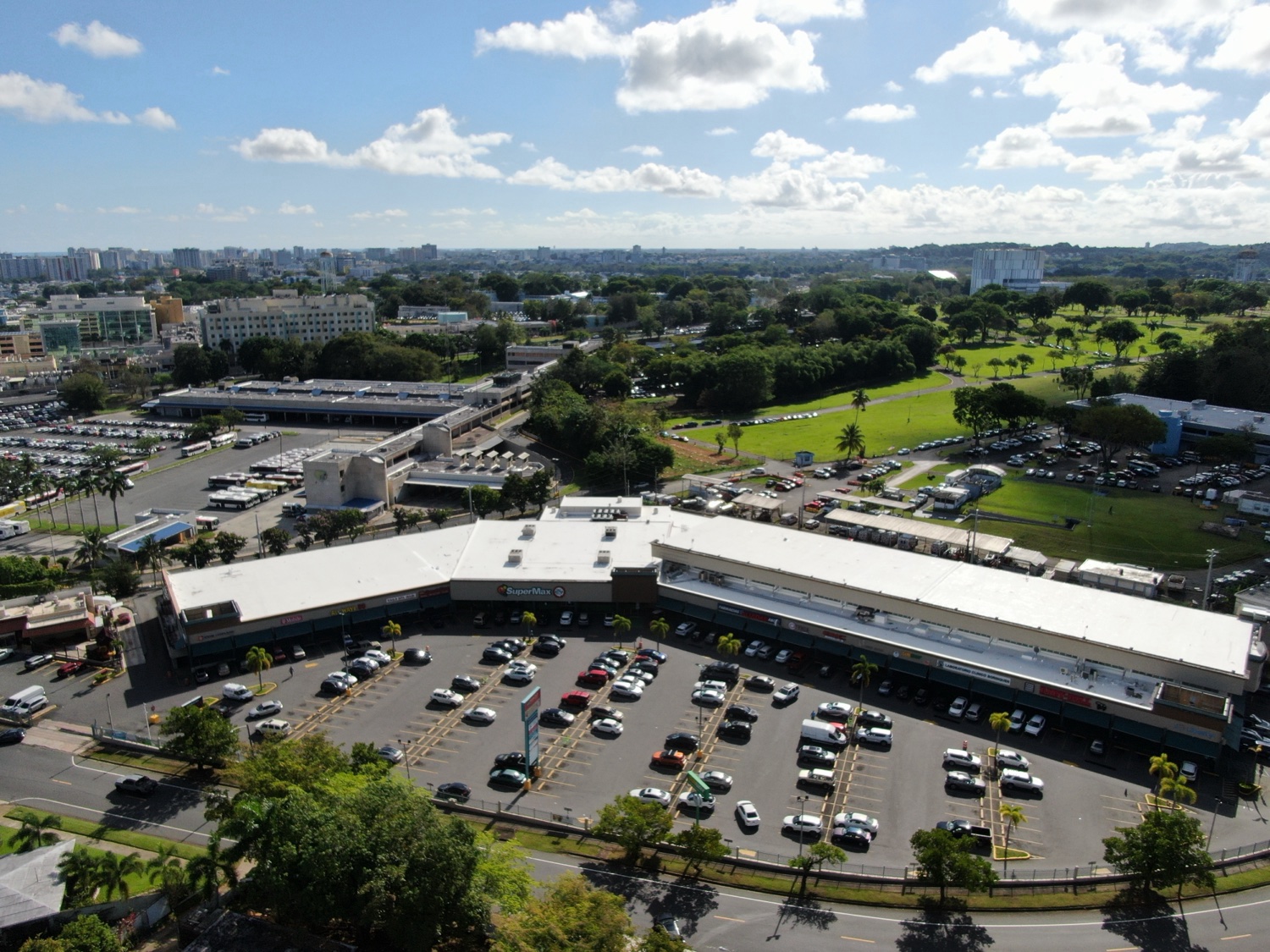
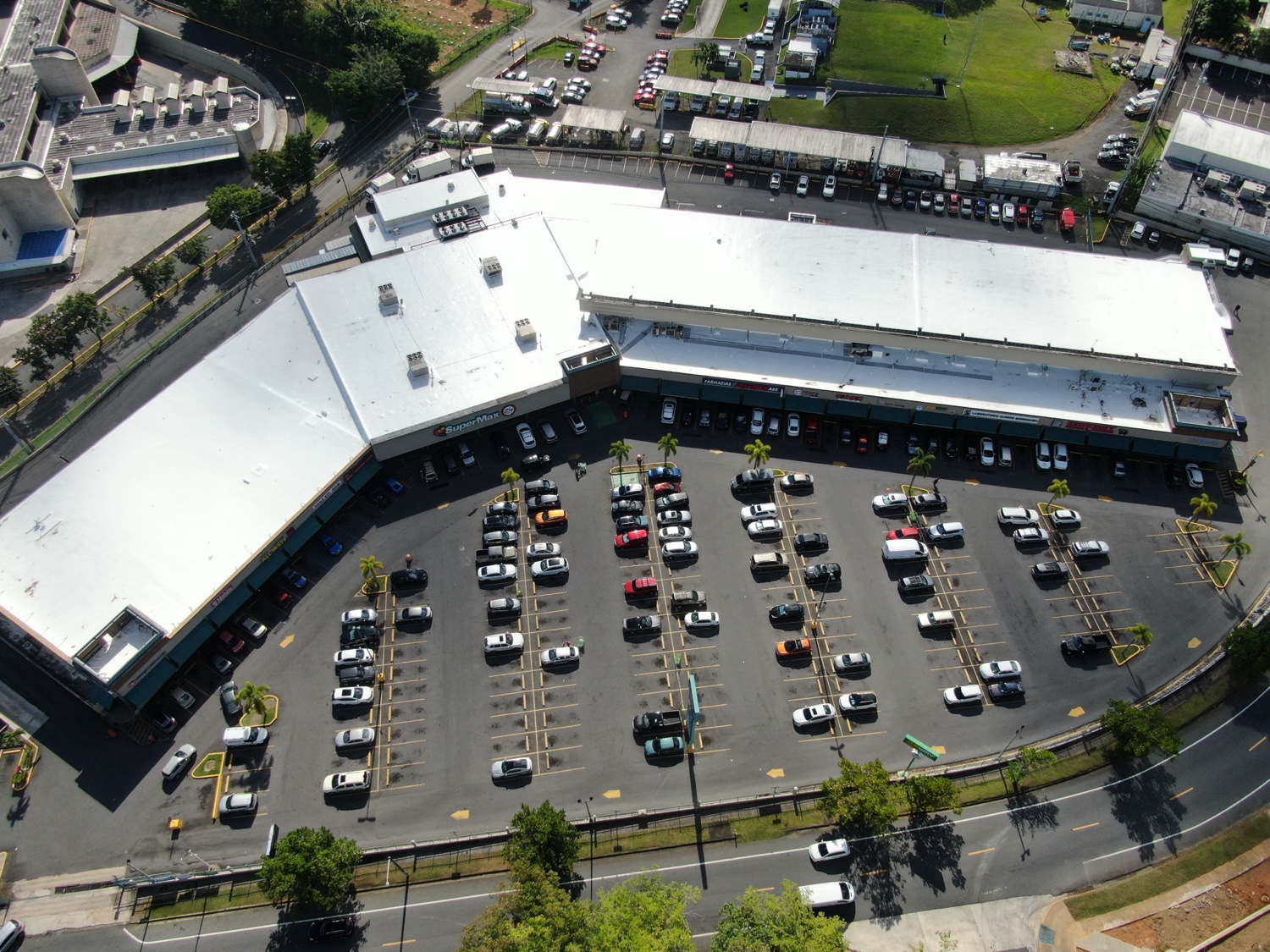
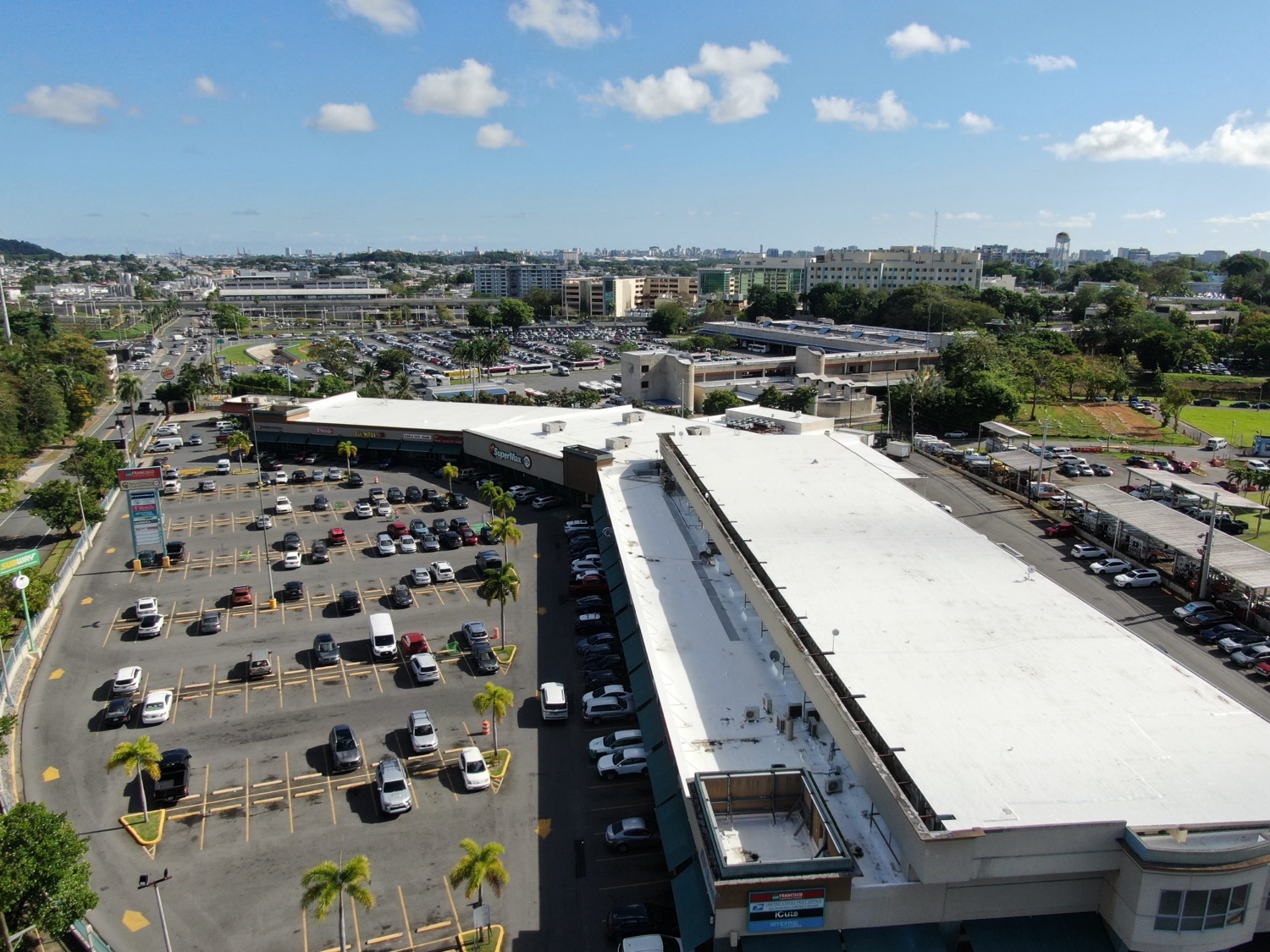
Featured Project: SuperMax, San Juan, Puerto Rico
dGEN Energy Partners coated the SuperMax shopping center in San Juan, Puerto Rico, with UNIFLEX 44 silicone — officially UNIFLEX® Silicone44™ rubberized silicone roof coating. The aerials below show the finished white coated roof.
Why coat a commercial roof
A coating is a restoration system, not a cosmetic paint job. Applied over a sound existing roof, it can:
- Extend the service life of a roof that still has structural integrity
- Create a seamless, fully adhered membrane that reduces leak paths at seams
- Add a highly reflective surface that, according to Sherwin-Williams, can reflect 85% of the sun’s radiant heat on a white system and help lower the temperature of the roof below
- Avoid a tear-off when the existing roof is a good candidate — Sherwin-Williams also states that fluid-applied systems can mean less disruption to occupants and less roofing material sent to a landfill
- Create a clean, cool surface that is easier to pair with a rooftop solar array
A coating is not the right answer on every roof. If insulation is wet, the membrane is beyond restoration, or the structure itself needs work, replacement is the honest scope — and we will say so. That is the same standard we use on our commercial roofing work: recommend the smallest scope that actually solves the problem.
Sherwin-Williams and UNIFLEX, a Sherwin-Williams brand
dGEN installs Sherwin-Williams fluid-applied roof coating systems. UNIFLEX is a Sherwin-Williams brand, and Sherwin-Williams presents UNIFLEX Roofing Systems as its commercial fluid-applied roofing line.
dGEN Energy Partners is an authorized UNIFLEX contractor. The crew traditionally uses UNIFLEX® Silicone44™ rubberized silicone roof coating (UNIFLEX 44 silicone). UNIFLEX describes Silicone44 as a premium silicone rubber roof coating ideal for ponding water.
According to Sherwin-Williams, these systems are engineered for installation on existing roofs to increase the service life of a facility. The company states that the coatings are designed to resist blistering, chalking, checking, cracking, and flaking; that a seamless application eliminates seams, which it calls the most common source of roof leaks; and that the systems are a lightweight alternative to traditional replacement, “ounces, not pounds, per square foot.”
Sherwin-Williams also states that there is no need to close the building during installation. We still plan the work around your operations — including surface preparation, weather windows, and any spray or access restrictions — so the facility can keep running.
Learn more on Sherwin-Williams’ official fluid-applied roofing page:
https://industrial.sherwin-williams.com/na/us/en/protective-marine/industry-solutions/manufacturing-processing/facility-maintenance/fluid-applied-roofing.html
The UNIFLEX line is the Sherwin-Williams fluid-applied roofing system featured on this page. UNIFLEX says it engineered the industry’s first fluid-applied roof coating in 1946 and offers a portfolio of highly reflective systems and accessory products designed to reflect the sun’s heat and damaging UV radiation.
UNIFLEX publishes systems for a wide range of commercial roof types, including metal, single-ply, built-up and modified bitumen, polyurethane foam, concrete, and existing coatings. Chemistries in the current UNIFLEX portfolio include:
- Silicone44. Official product name: UNIFLEX® Silicone44™ Rubberized Silicone Roof Coating. Official product page: https://www.uniflexroof.com/product/silicone44-rubberized-silicone-roof-coating/. UNIFLEX describes Silicone44 as a premium, high-solids silicone rubber roof coating designed to provide ponding-water resistance on low-slope and moderate-slope roofs (less than a 3:12 pitch, per UNIFLEX). This is the system dGEN traditionally specifies, including at SuperMax.
- Silicone22. A lower-solids silicone roof coating that UNIFLEX also lists for ponding-water resistance and adhesion.
- 100% acrylic elastomeric systems. Including Premium Elastomeric and Commercial Grade Elastomeric white coatings, which UNIFLEX presents as reflective, flexible waterproofing finish coats. CoolMax41 is a 100% acrylic hi-build elastomeric finish coat that UNIFLEX says is formulated for demanding desert climate conditions.
- Urethane88. UNIFLEX describes Urethane88 as a single-component, aliphatic moisture-curing polyurethane coating for commercial and industrial roofing, used as a gray base coat and a white finish coat.
- Aluminum and asphalt-emulsion coatings, primers, and repair products, used as the manufacturer specifies for the substrate and system.
The right chemistry depends on the existing roof, ponding, slope, climate, and whether solar will go on top. We specify from the official UNIFLEX system guidelines for that substrate — we do not treat every roof with the same coating.
Manufacturer warranties. According to UNIFLEX, the company offers material and system warranties through its UNIGUARD program, including 10-year and 15-year labor and material warranties. Eligibility, term, and coverage depend on the system, the condition of the existing roof, application to UNIFLEX specifications, and manufacturer approval. Those terms are the manufacturer’s, not a blanket promise on this page. We will tell you what applies to your project before work begins.
Official UNIFLEX site: https://www.uniflexroof.com/
One Flash roof repair sealant
When a coating project needs flashing and detail work, dGEN uses UNIFLEX® One Flash™ roof repair sealant, part of the UNIFLEX line from Sherwin-Williams.
UNIFLEX describes One Flash as a premium flashing-grade, UV-stable sealant that is permanently flexible. According to the official product page, it provides a durable, weather-resistant seal with excellent adhesion to a variety of substrates, and it eliminates the need for fabric reinforcement on gaps less than 1/8 inch, which means fewer steps and less labor time.
UNIFLEX lists recommended uses as perimeter sealing around through-roof projections, termination points, flashings, side and end laps of metal building panels, scrim edges, and seams.
Official product page: https://www.uniflexroof.com/product/one-flash-gray-roof-repair-sealant/
Due Diligence Before We Coat
dGEN Energy Partners does not coat over a wet roof, and it does not coat a surface until the coating’s bond has been verified. Every coating project follows these five steps.
1. Infrared moisture scan of the existing roof
Wet areas are found first. Those areas are marked for repair or replacement — they are never coated over.
Scans led by Walt Jordan, Certified Infrared Thermographer®, No. 16631.
2. Repair or replace wet areas
Compromised insulation and wet roof areas are removed and replaced so the new coating goes on a dry, sound roof.
3. Adhesion test
The crew tests the existing surface to confirm the coating will actually stick, before the full system goes down.
4. Coat
The specified coating is applied to a prepared, dry, tested roof.
5. Final walkthrough
dGEN walks the finished roof with the owner and project team before closeout. See the featured Final Walkthrough section below.
Final Walkthrough
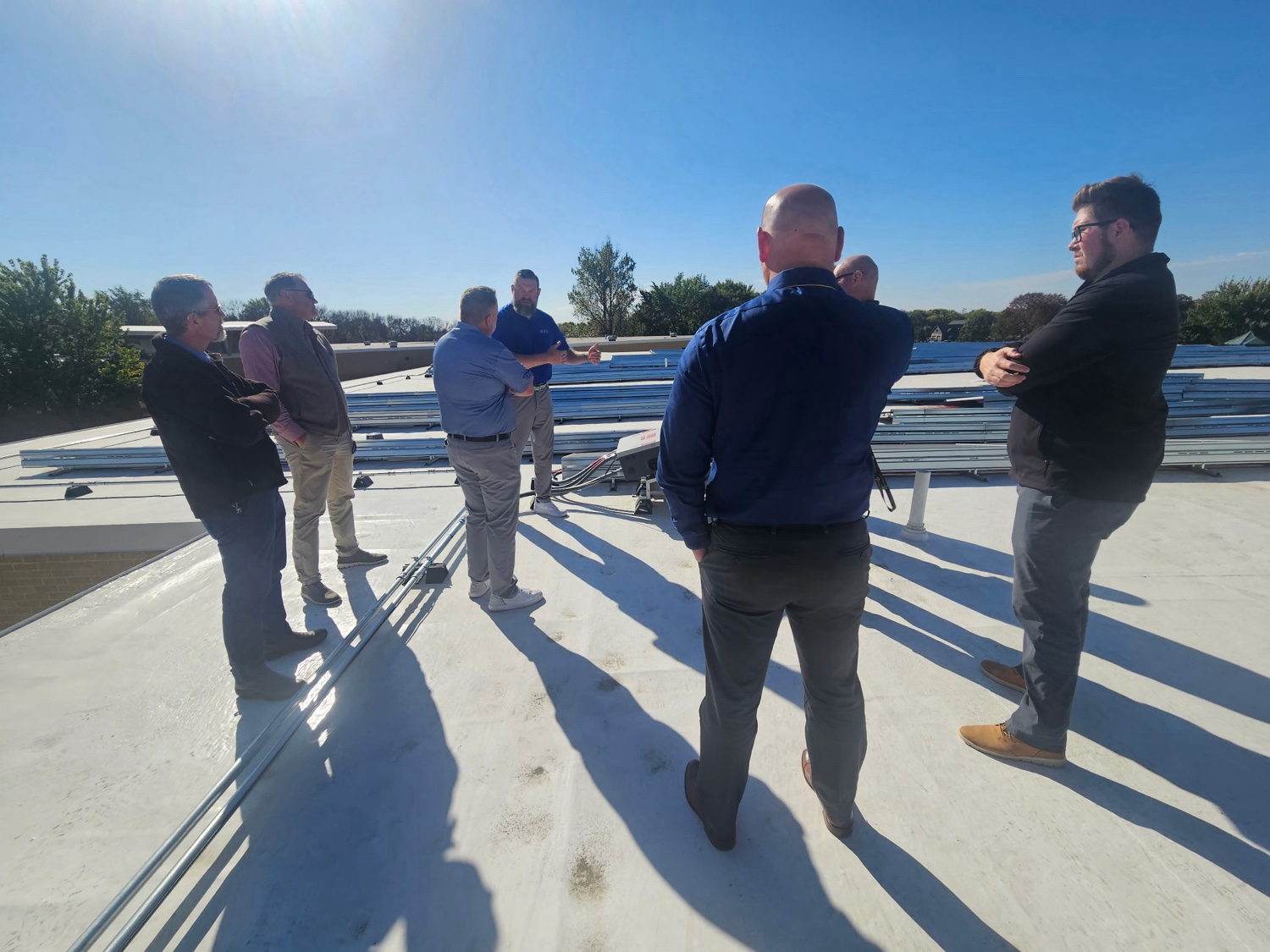
Before closeout, dGEN walks the finished roof with the owner and project team. Together they review the coating, the details, and — where solar is part of the job — the work on top of it.
Walt Jordan, Certified Infrared Thermographer®, No. 16631
Featured Project: Cabinet shop, Atlanta, Georgia
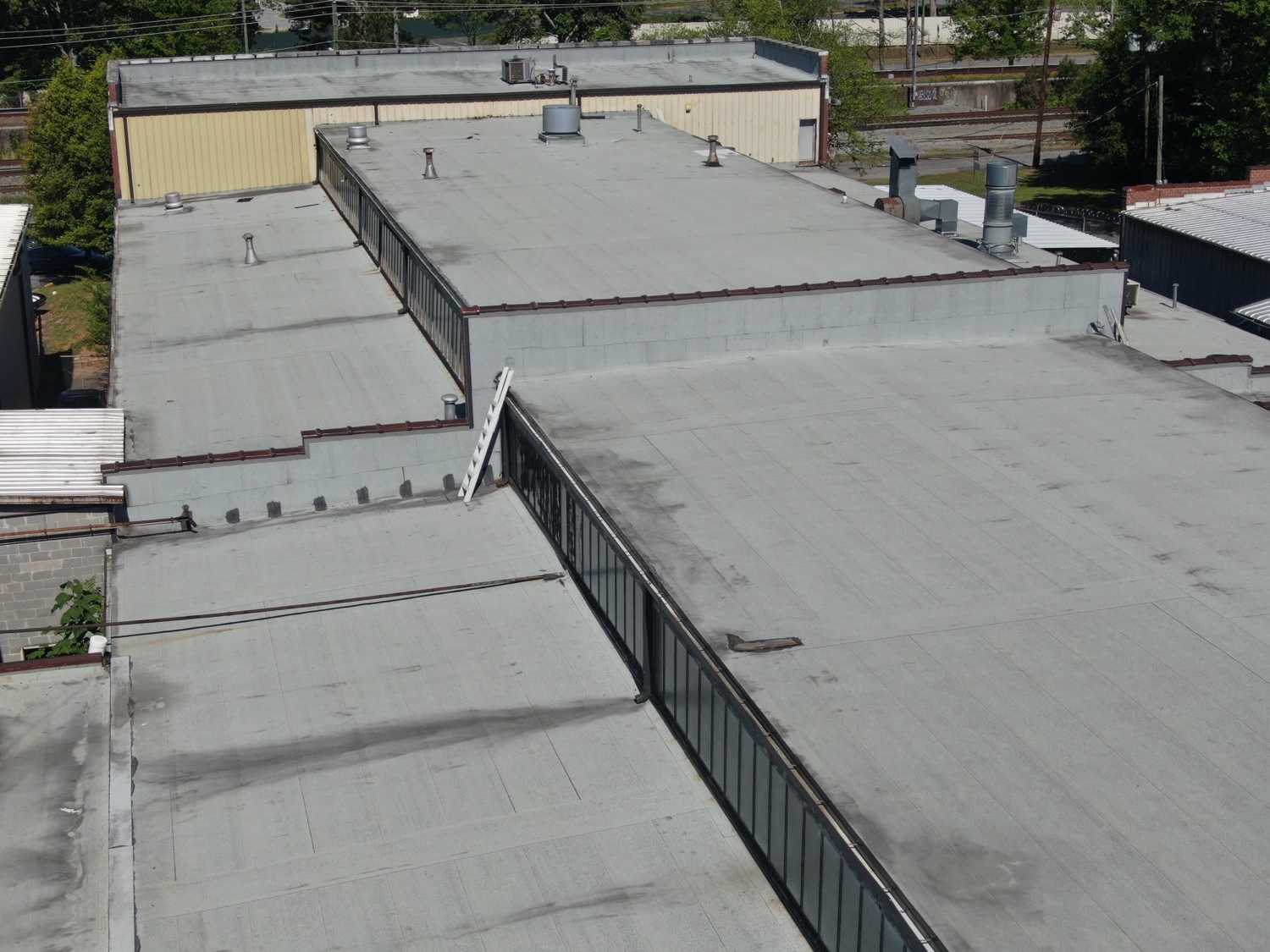
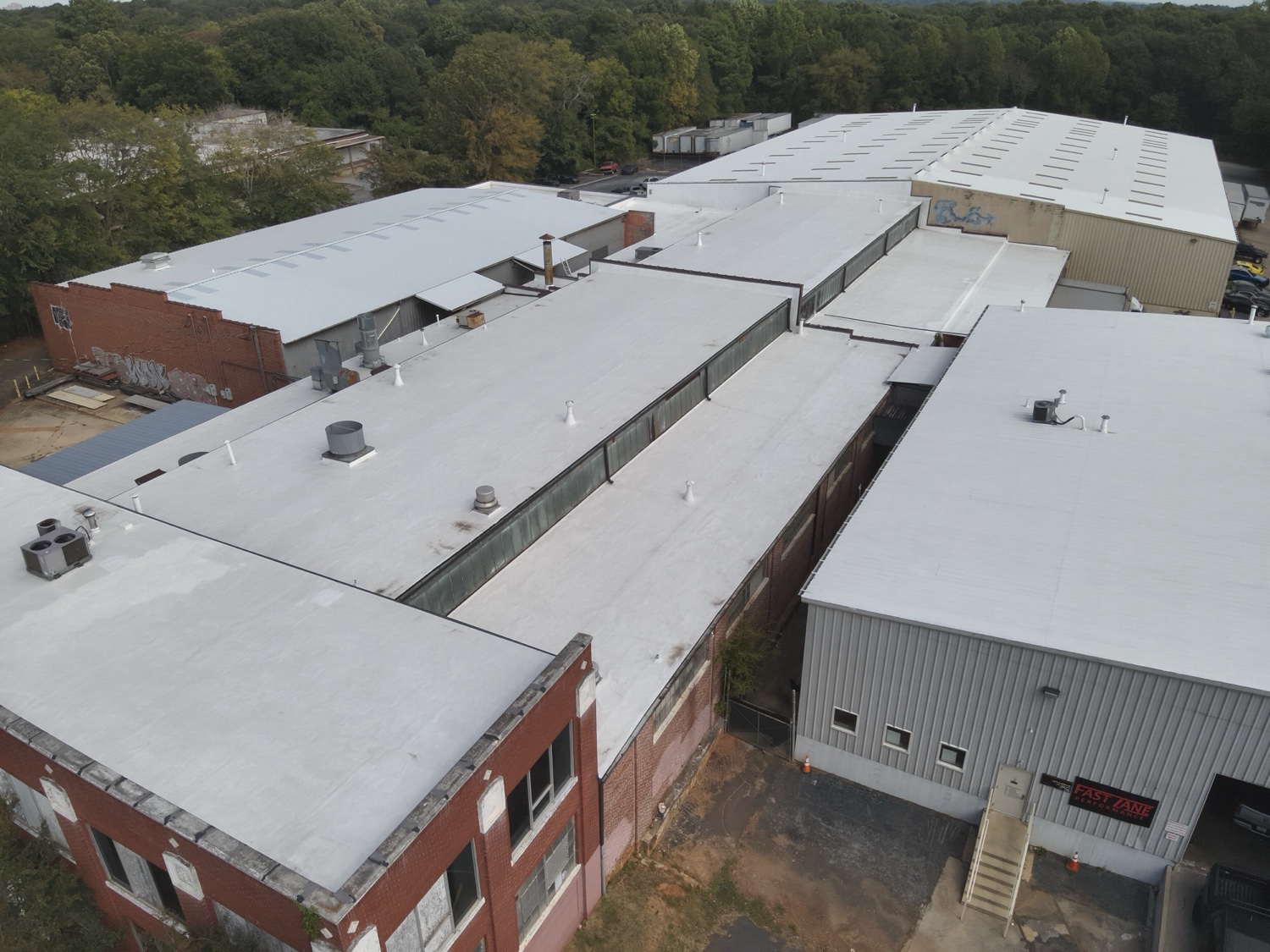
dGEN Energy Partners coated the roof of a cabinet shop in Atlanta, Georgia. The photos below show the roof before the work and after the new coating was applied.
Featured Project: Teak Decking, Sarasota, Florida
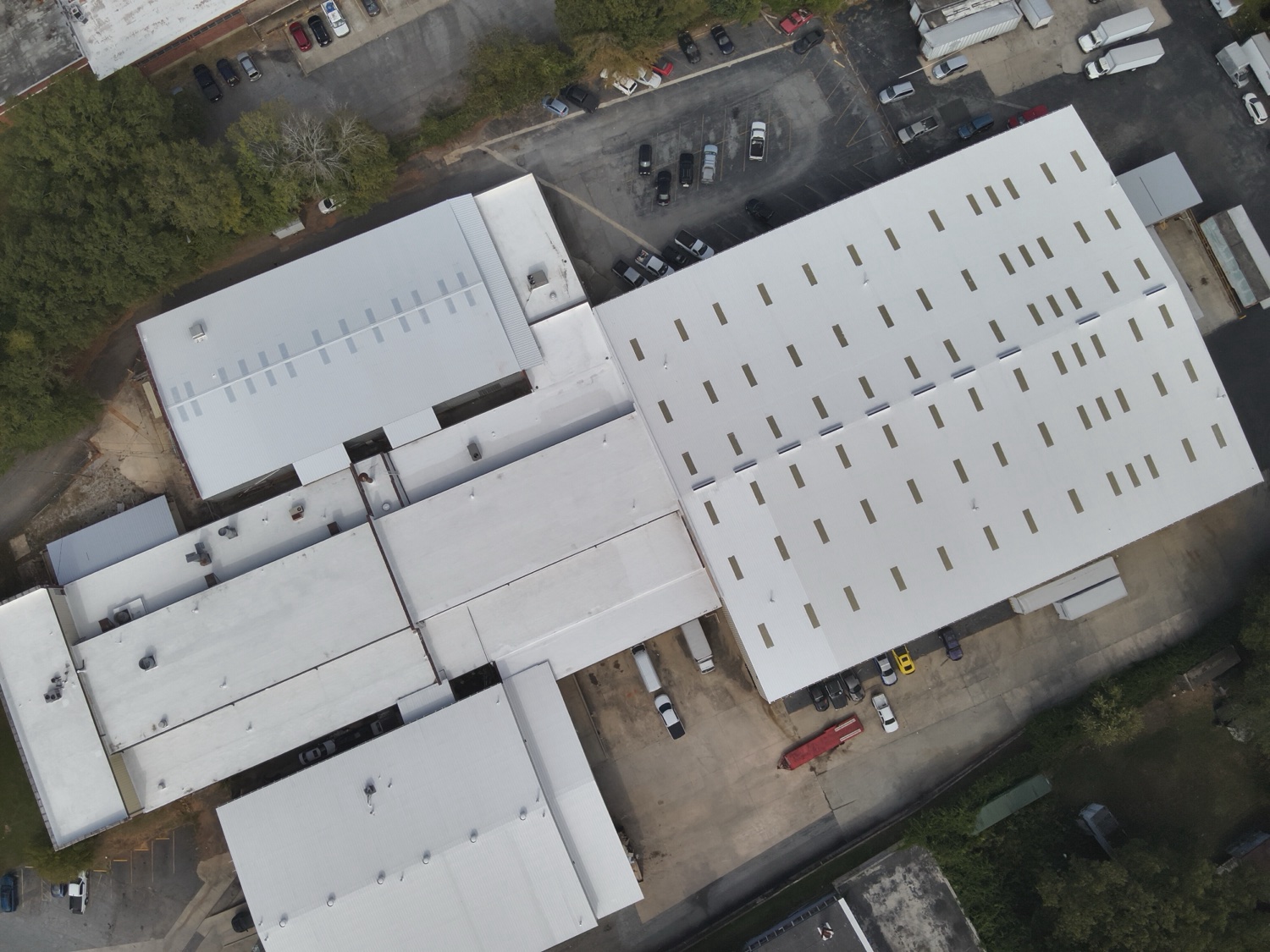
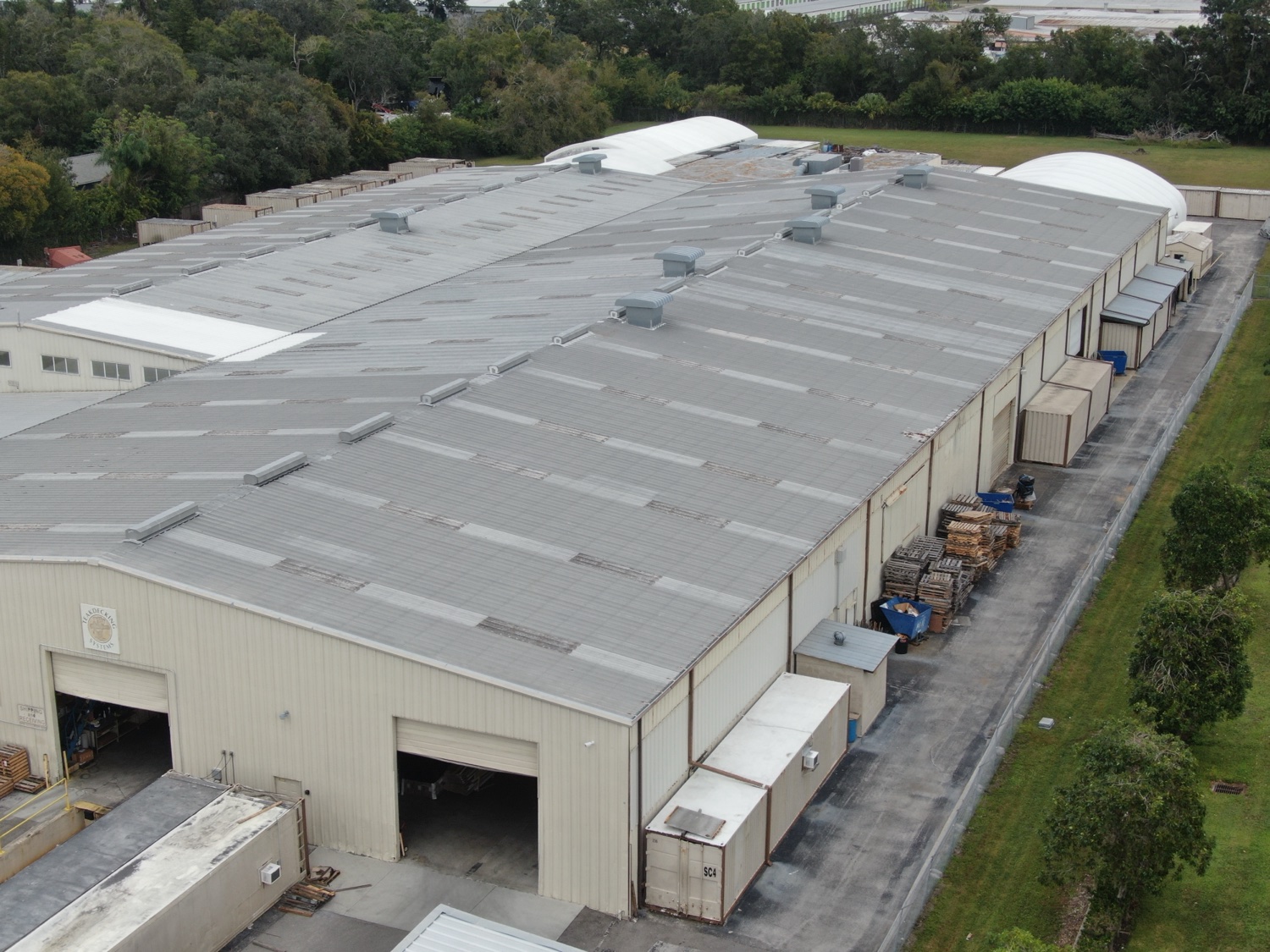
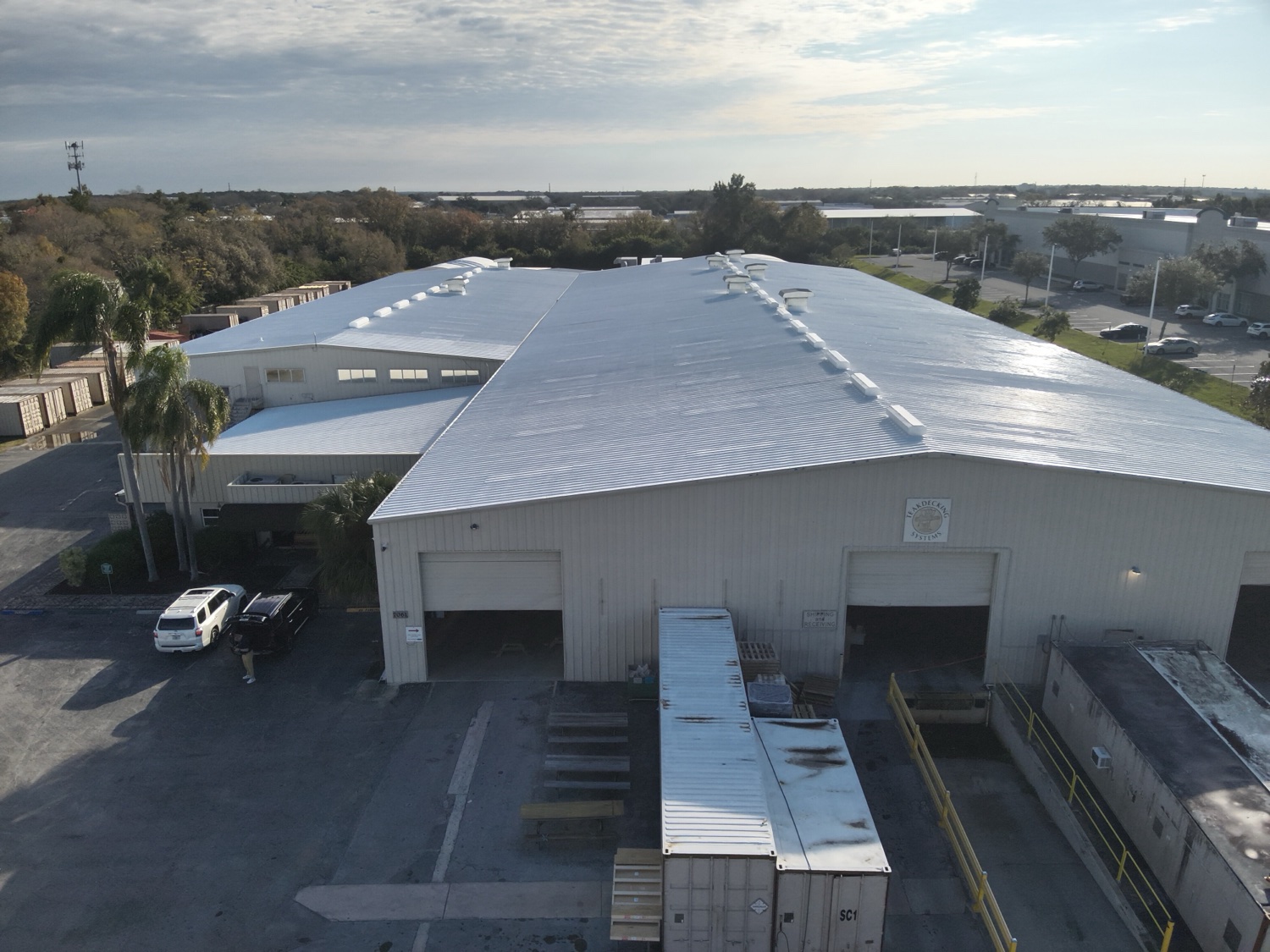
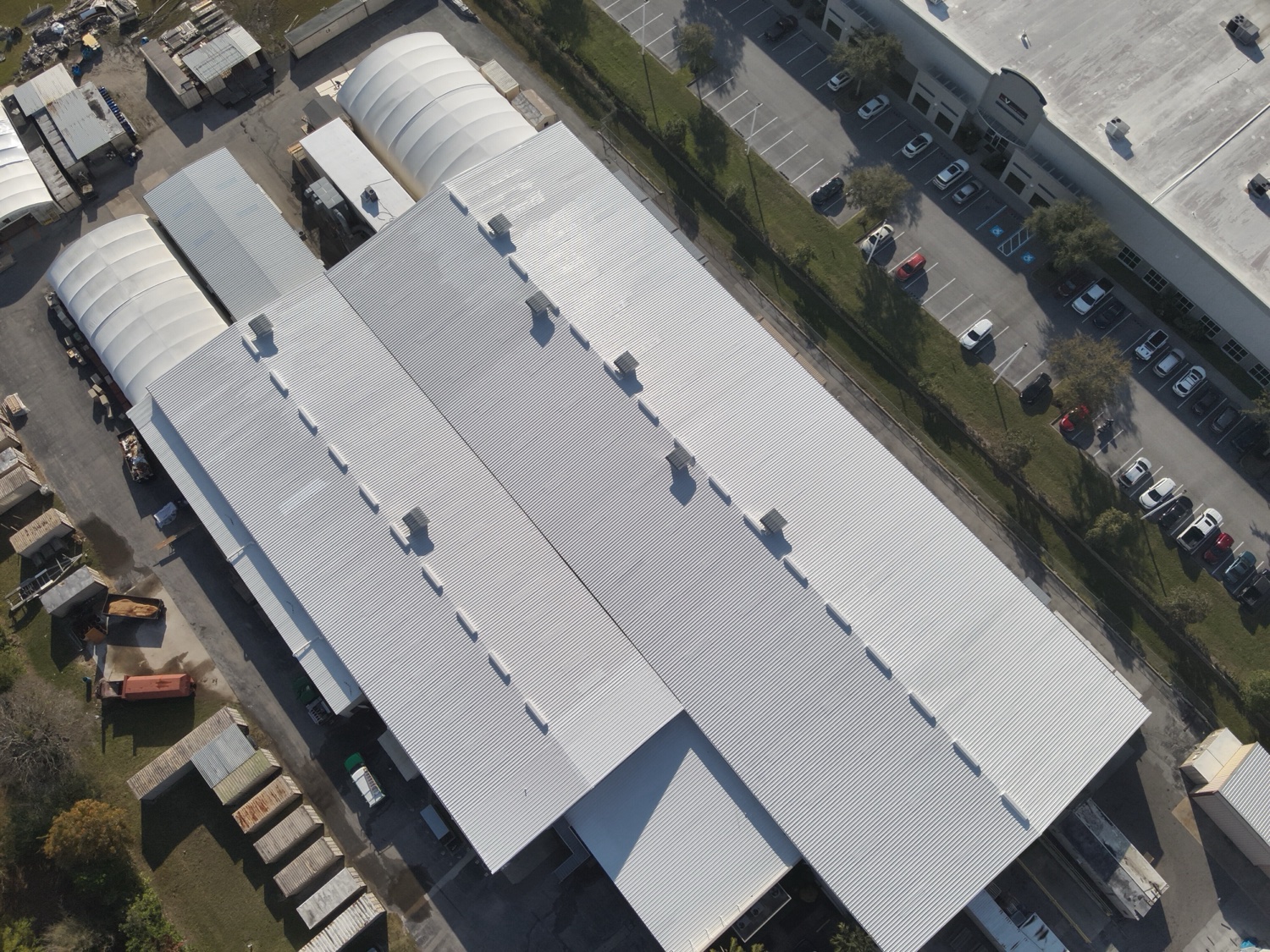
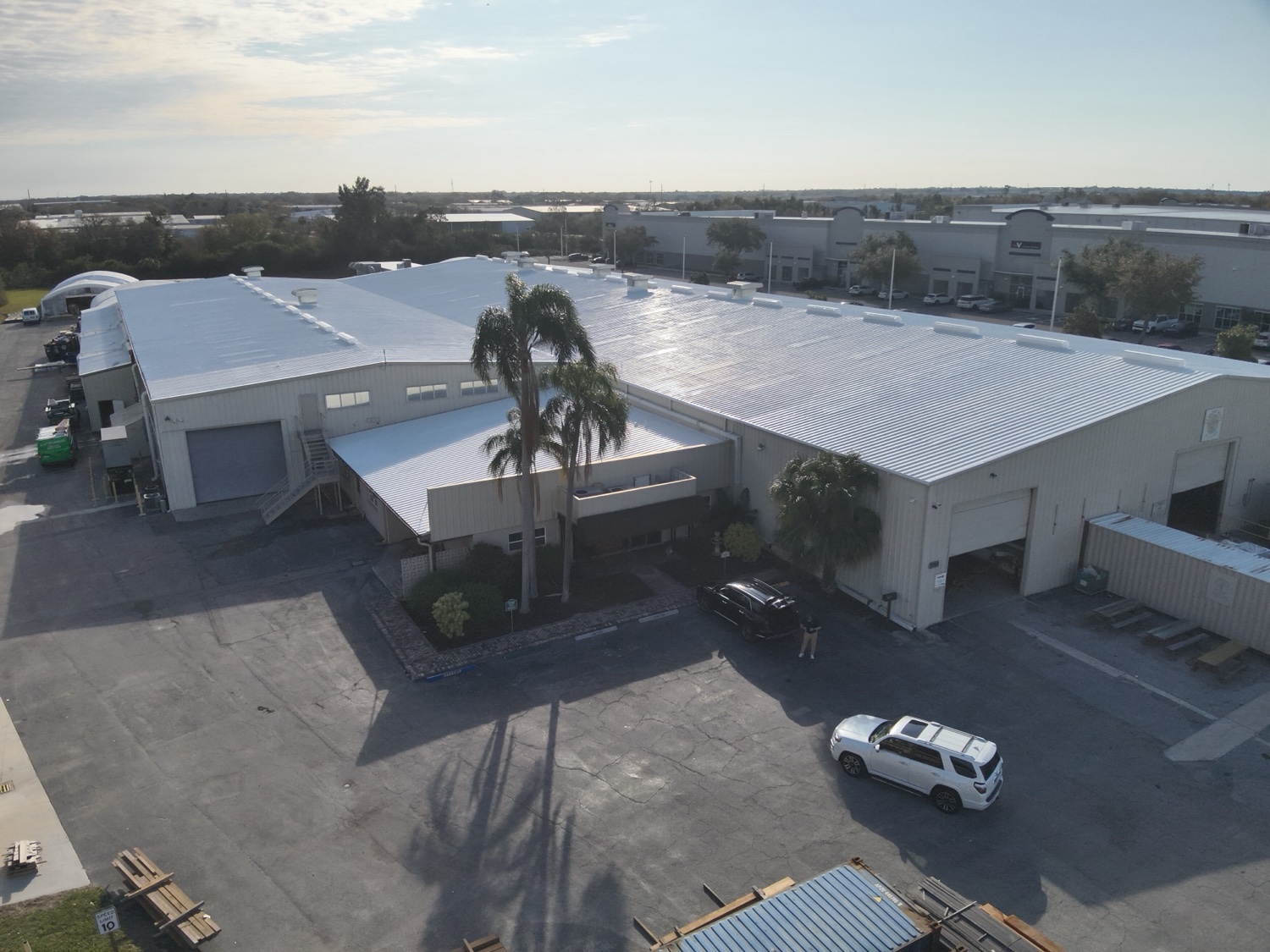
Teak Decking in Sarasota, Florida, was a turnkey project by dGEN Energy Partners: roof coating plus solar, engineered as one job. The photos below show the metal roof before the coating and the finished white coated roof.
Trained and Certified Crews
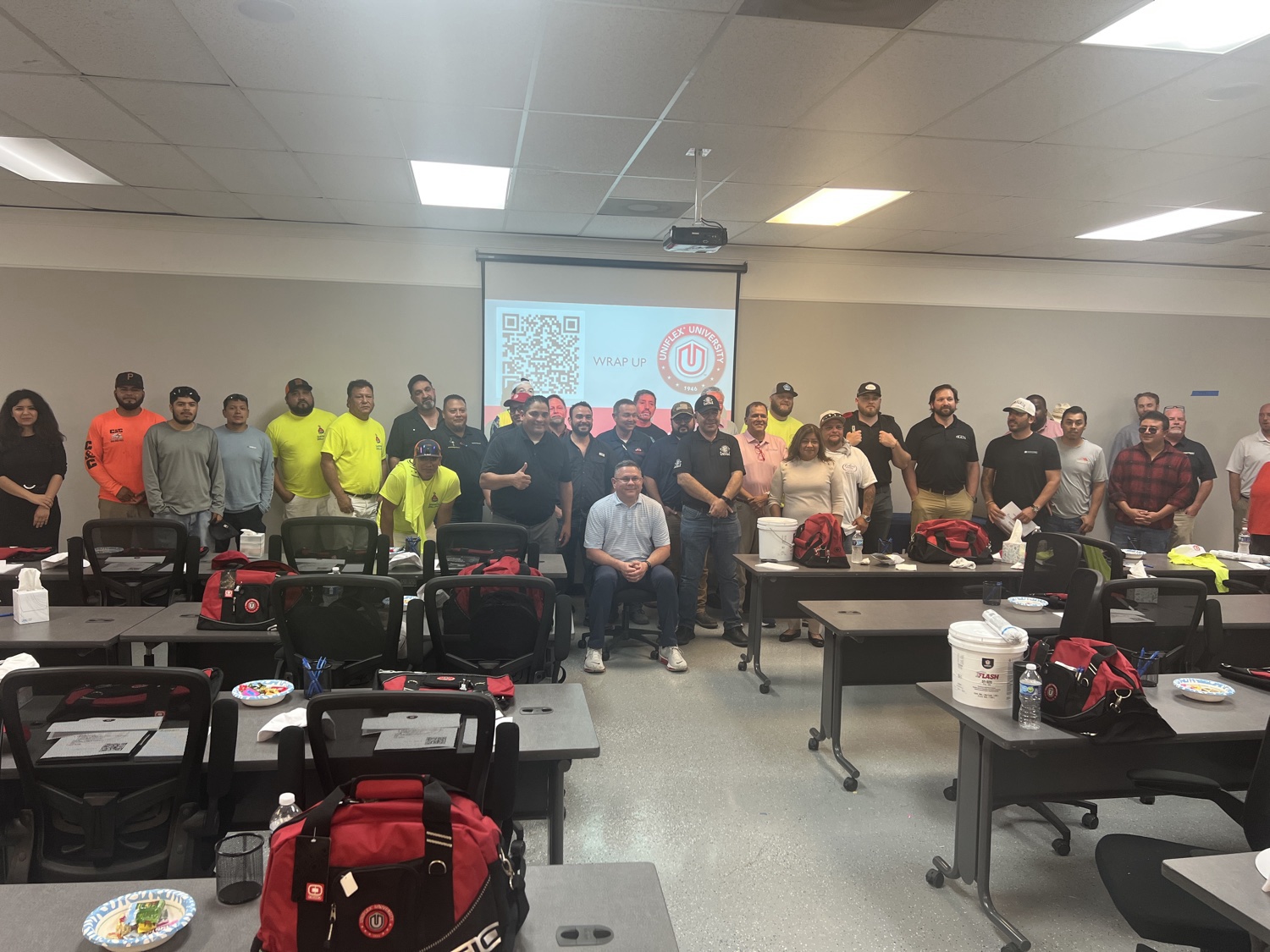
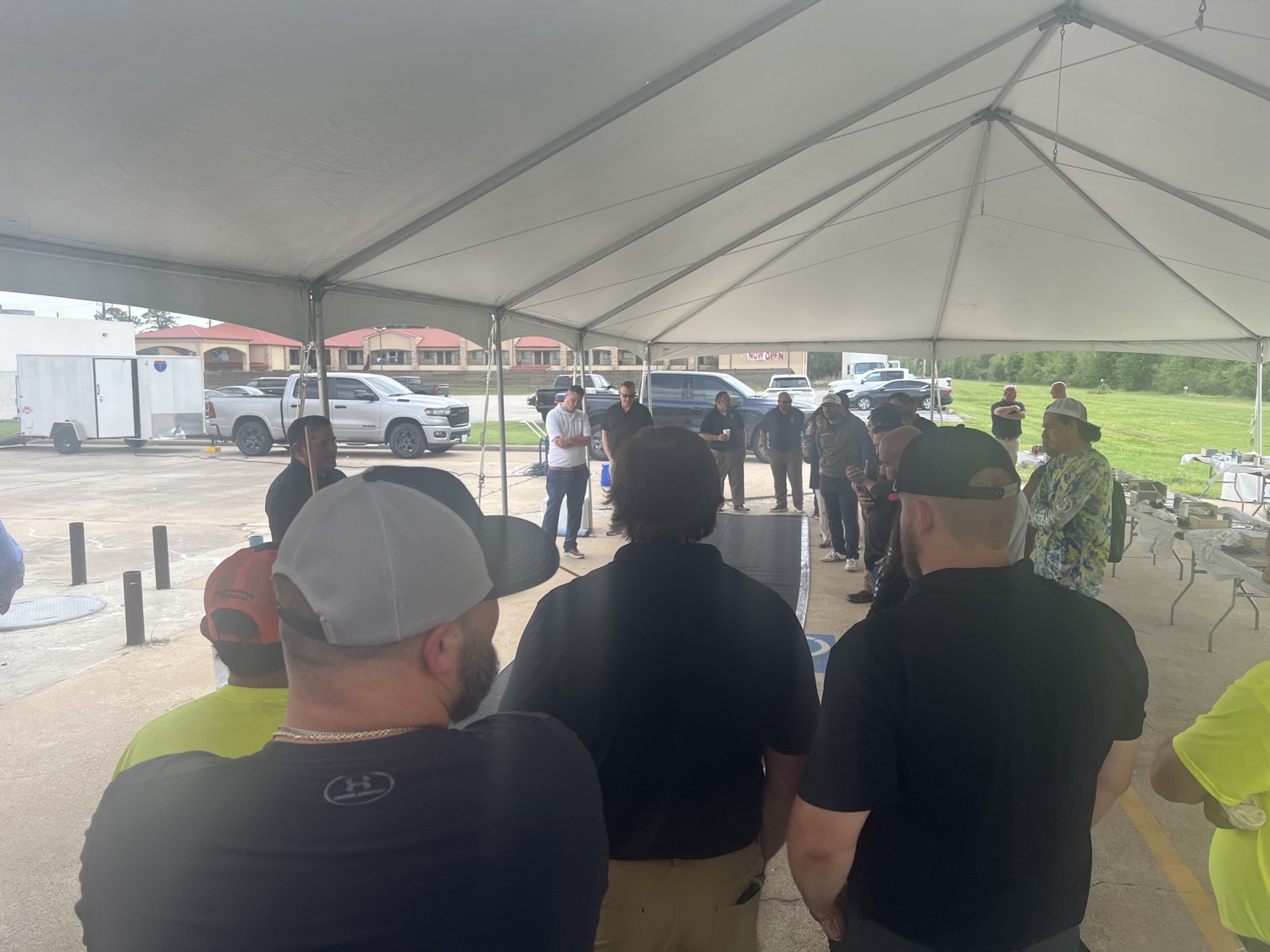
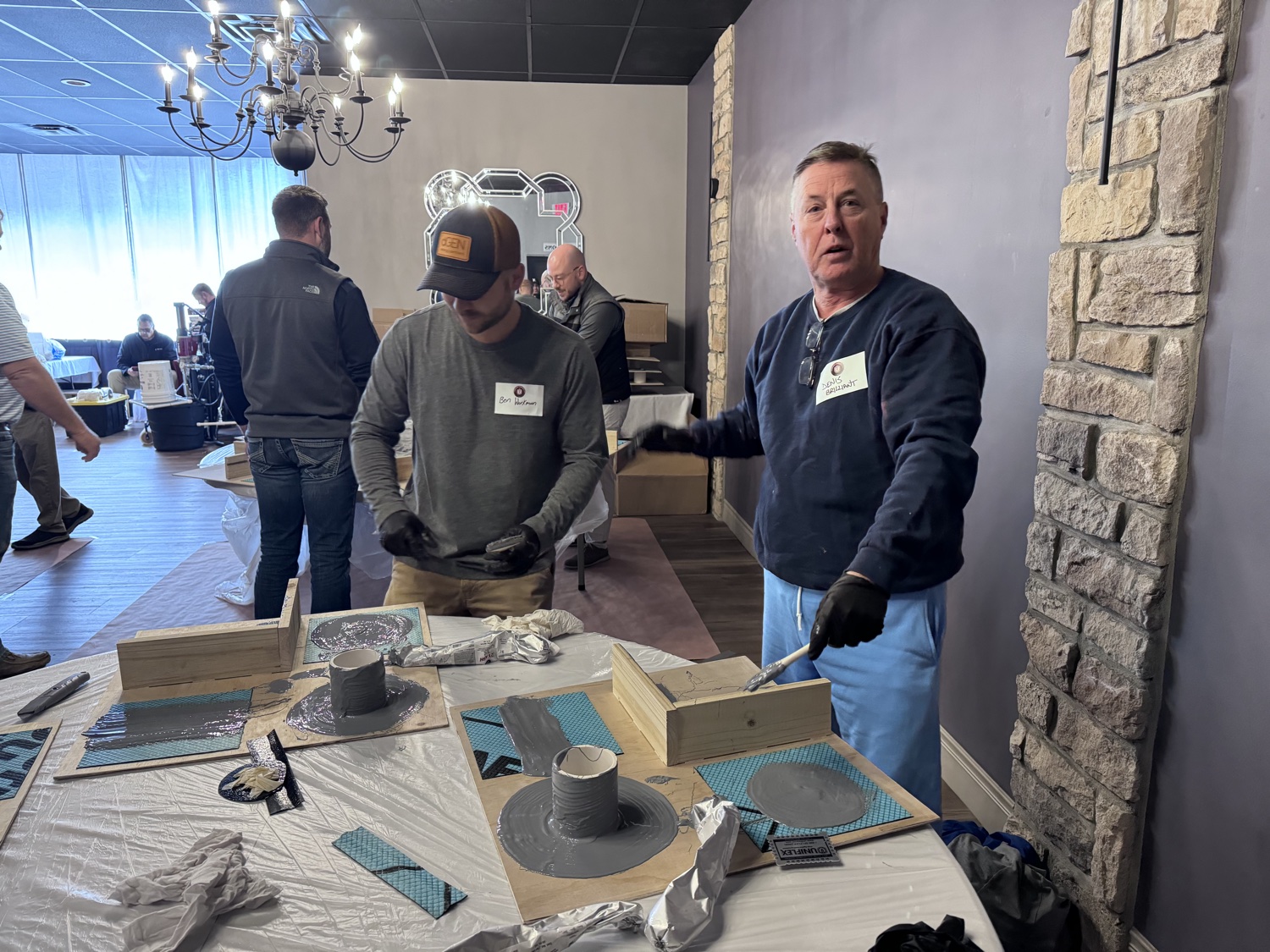
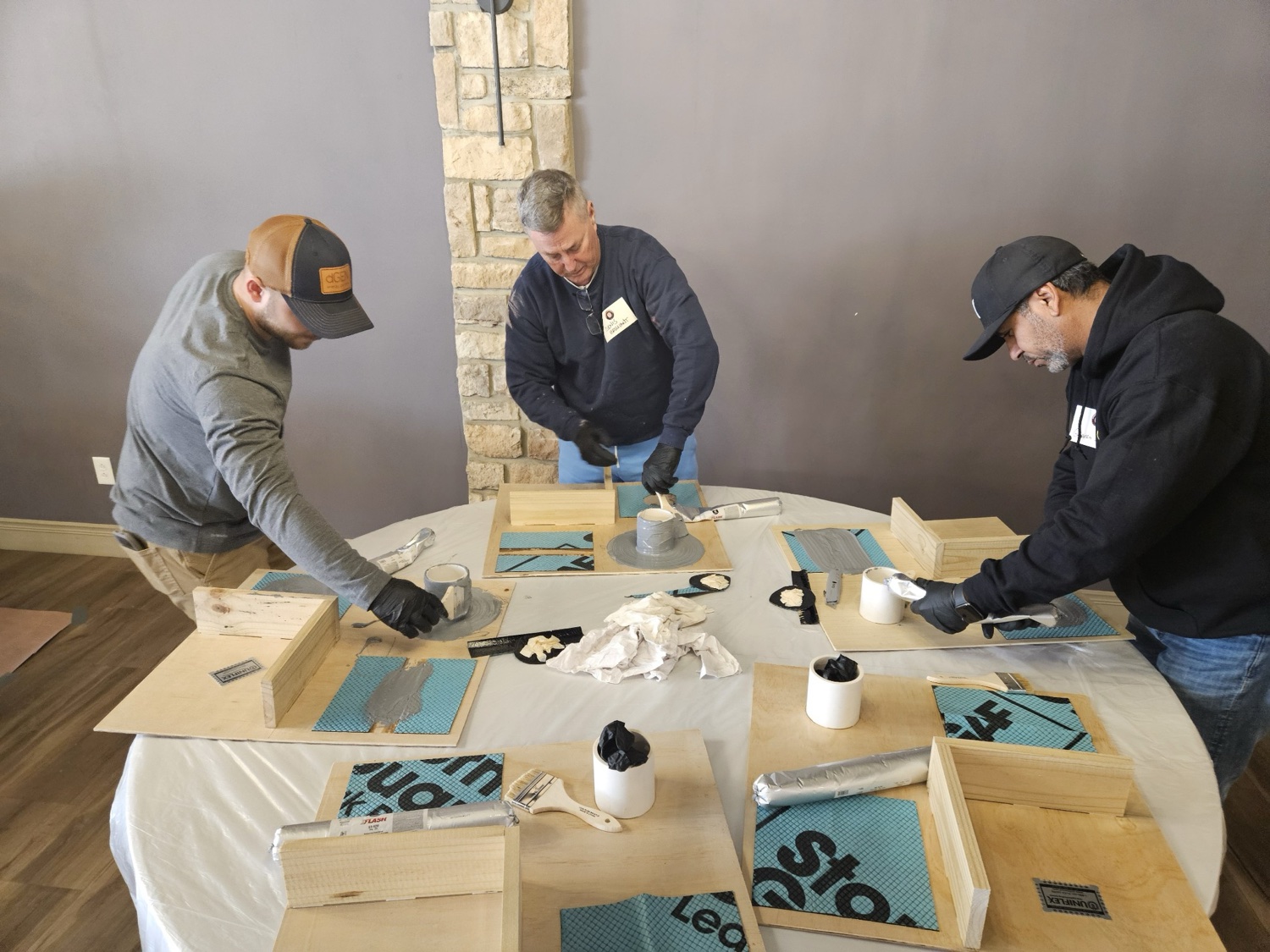
dGEN coating crews train on the systems they install. That includes UNIFLEX University and Sherwin-Williams certification training, plus hands-on flashing practice so details — penetrations, curbs, and terminations — are built the way the manufacturer specifies.
Coatings and rooftop solar
A coating project and a rooftop solar project should be designed together. A reflective, watertight roof under an array protects the investment on top of it. Attachments, walkways, and warranty terms have to be planned before modules go down.
As a full-service EPC and roofing contractor, dGEN engineers the coating — or the replacement, if that is what the roof needs — and the solar array as one system, so the array does not compromise the roof warranty or the roof’s remaining life. When a restoration is paired with rooftop solar, the combined project can be structured through the same financing options as our solar work, including approaches built around little to no capital investment.
The Teak Decking job in Sarasota is an example of that turnkey approach: coating and solar handled by dGEN as one scope.
Learn more about our commercial solar installation and EPC services and our commercial and industrial roofing work.
How a coatings project runs
Every coatings project follows the same discipline as our other roofing and energy work:
- Assessment and design. Roof condition, moisture, drainage, and substrate review, including the infrared moisture scan and adhesion testing described above. We tell you honestly whether the roof is a candidate for coating or whether replacement is the right scope.
- Engineering. The coating system is specified to the manufacturer’s guidelines for that roof type, including any planned rooftop solar, flashings, and walkways.
- Permitting. Permits and code compliance handled by our team.
- Construction. Surface preparation, repairs, and application by a licensed contractor, sequenced to keep your facility operating.
- Closeout and O&M. A final walkthrough of the finished roof with the owner, then inspection, manufacturer warranty documentation where the system qualifies, and maintenance guidance so the coating keeps performing.
dGEN is a licensed contractor. See our state licenses, including Florida, where we are licensed statewide as a Certified Roofing Contractor (CCC1338053).
Talk with dGEN about a roof coating
If your commercial roof is aging, leaking, running hot, or standing between you and a solar project, start with an honest assessment. We will tell you whether a Sherwin-Williams or UNIFLEX system — or another coating line we install — is the right scope, or whether the roof needs more than a coating.
Call 1-888-968-7764 or contact us for a free roof analysis.